

Back pain is a common problem that affects people of all ages. It can develop due to long working hours, poor posture, heavy lifting, or lack of physical activity. When the muscles and spine are under constant stress, discomfort can gradually increase and begin to interfere with daily routines. Because of this, many people look for practical ways to support their back and reduce strain during everyday tasks.
Among the different types of supportive braces available today, neoprene-based supports are becoming increasingly popular. One option that many people consider is the Neoprene Back Support, which is designed to provide both flexibility and stability for the lower back. Unlike rigid braces that can restrict movement, neoprene supports allow natural motion while still offering compression and warmth that help reduce muscle fatigue and discomfort.
Table of Contents
ToggleWhat Is a Neoprene Back Support?
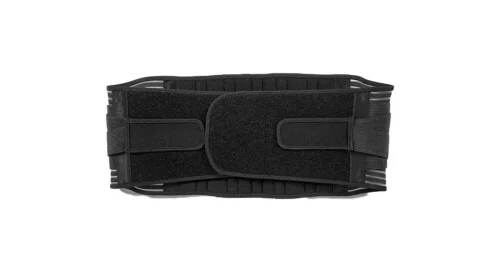
A neoprene back support is a type of brace made from synthetic rubber material known as neoprene. This material is widely used in orthopedic and sports supports because it is flexible, durable, and comfortable to wear. The support typically wraps around the lower back and is secured with adjustable straps or fasteners, allowing users to achieve the level of compression they need.
Because neoprene is elastic, it adapts well to body movement. This makes it suitable for individuals who need support while working, exercising, or performing daily tasks. The lightweight structure also means it can be worn under clothing without causing discomfort or restricting normal activity.
Key Features of Neoprene Back Supports
Neoprene back supports are designed with features that help improve comfort and effectiveness. One of the most important features is adjustable compression. Users can tighten or loosen the brace depending on how much support they require, which makes it useful for different levels of back strain.
Another important feature is heat retention. Neoprene naturally holds body heat, which helps keep the muscles warm. Warm muscles tend to be more relaxed and flexible, which can reduce stiffness and support faster recovery from minor strains or fatigue.
Breathability is also an important factor in modern designs. Many neoprene supports include ventilation or perforated areas that allow airflow, preventing excessive sweating during long periods of wear. This makes the brace more comfortable for everyday use.
Some models also include additional support elements such as reinforced panels or flexible stays. These features provide extra stability to the lower back and help maintain proper spinal alignment, especially during activities that involve bending or lifting.
Benefits for People With Back Pain
One of the main benefits of using a neoprene back support is improved posture. When worn correctly, the brace encourages the spine to stay in a more natural position. This reduces unnecessary pressure on the lower back muscles and helps prevent further strain.
Another benefit is muscle stabilization. When the lower back muscles are tired or injured, additional support can help distribute weight more evenly across the back. This reduces stress on specific muscle groups and allows the body to recover more comfortably.
Pain relief is another reason many people use back supports. The combination of compression and warmth can help relax tight muscles and improve blood circulation in the lower back area. As circulation improves, stiffness may decrease and overall comfort can increase.
In addition, wearing a supportive brace can make people feel more confident when moving or performing physical activities. Knowing that the back is supported can reduce fear of sudden pain or injury during daily tasks.
Who Can Benefit From Using It?
A wide range of individuals can benefit from using neoprene back supports. Office workers, for example, often sit for long hours in the same position, which can lead to poor posture and lower back discomfort. A back support can help maintain alignment and reduce strain throughout the day.
Athletes and people who exercise regularly may also find neoprene supports helpful. During workouts, especially those involving lifting or core strength, the lower back plays an important role. A support brace can provide additional stability and protection.
People who perform manual work, such as lifting objects or standing for long periods, may also benefit from the extra support. Even individuals who occasionally experience back fatigue or mild strain can use these braces to improve comfort during their routine activities.
Tips for Choosing the Right Back Support
Choosing the right neoprene back support involves a few important considerations. The first is proper sizing. A support that is too loose may not provide enough compression, while one that is too tight could feel uncomfortable. Measuring the waist or lower back area and following sizing guidelines is essential.
Adjustability is another factor to consider. Supports with adjustable straps allow users to customize the fit and level of compression according to their needs. This flexibility helps ensure long-term comfort and effectiveness.
Material quality also plays a role in performance. High-quality neoprene tends to last longer and maintain its shape even after frequent use. Additionally, selecting a design suited to your daily activities can help you get the most benefit from the support.
Conclusion
Neoprene back supports are a practical solution for people dealing with back discomfort caused by daily activities, posture issues, or mild muscle strain. Their flexible design, combined with compression and heat retention, helps support the lower back while still allowing natural movement. By improving posture, stabilizing muscles, and promoting comfort during activity, these supports can make a noticeable difference in managing back pain. When selected carefully and used properly, a neoprene back support can contribute to better back health and overall physical well-being.


